Shock Loss After a Hair Transplant: Why It Happens and When Hair Grows Back (2026)
Losing hair a few weeks after a hair transplant scares many patients, but it is usually a normal stage. Here is what shock loss is, the month-by-month timeline, and the signs that mean you should call the clinic.
The Short Answer
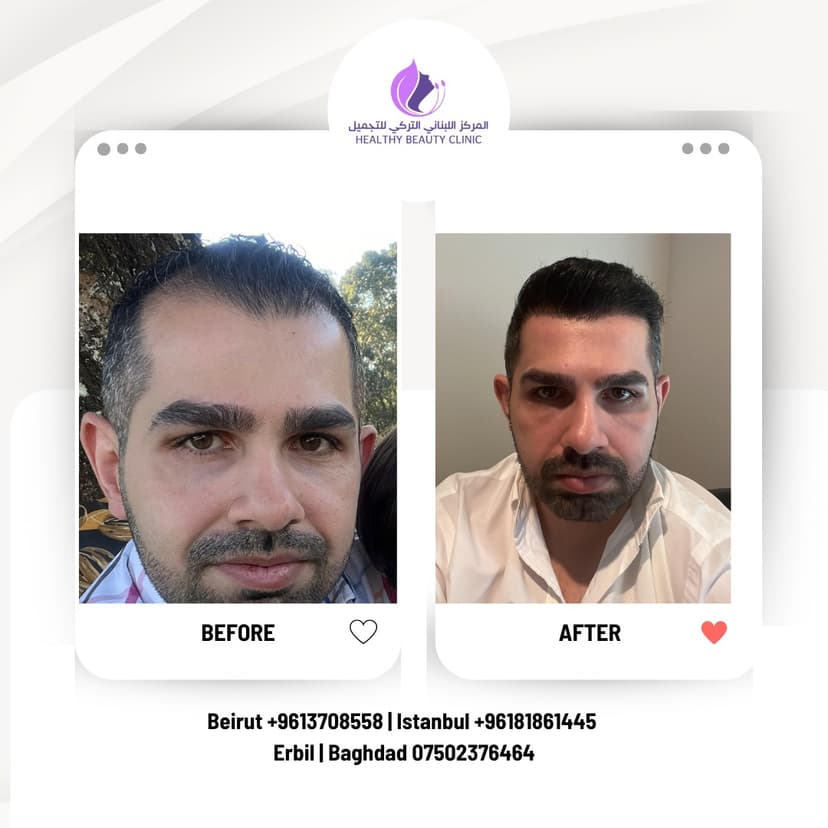
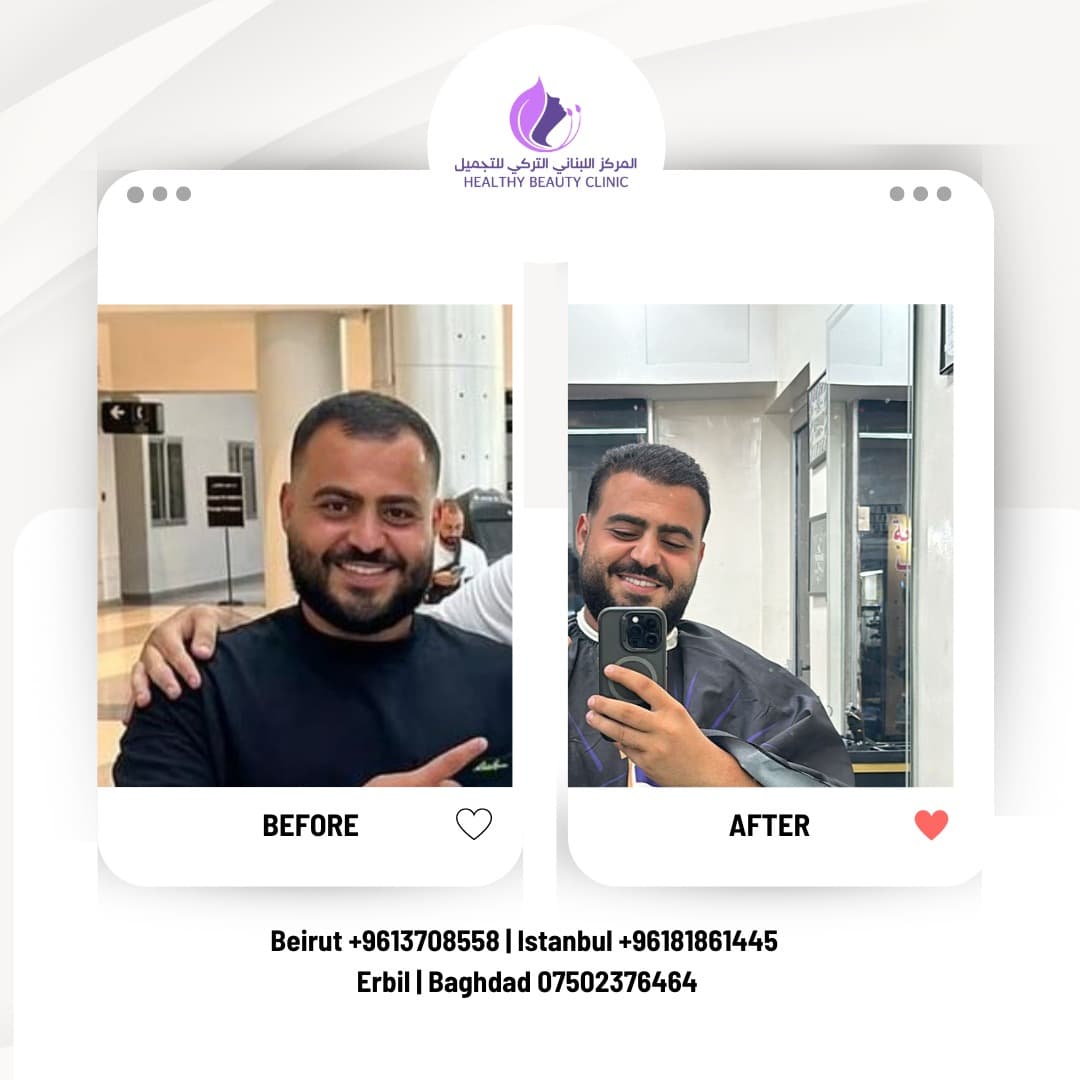
Yes, it is normal to lose hair after a hair transplant. Most transplanted hairs fall out between week 2 and week 8, but the follicles under the skin stay alive and start growing new hair around months 3 to 4. Some patients also shed some of their existing hair around the treated area; this "shock loss" is usually temporary and grows back within a few months.
Two Different Kinds of Shedding
1. Shedding of the transplanted hairs
Almost every patient goes through this. After being moved, the follicle rests and drops the hair shaft it came with. The follicle itself remains in place and begins a new growth cycle. It is an expected stage, not a failed transplant.
2. Shock loss of native hair
Some patients also lose some of their own hair near the recipient area, or occasionally near the donor area. The scalp reacts to the procedure and pushes nearby follicles into a resting phase. Hair that was healthy usually grows back within about 3 to 4 months, sometimes up to 6. Hair that was already very weak and about to fall may not return — one reason doctors often suggest treatment to protect existing hair.
Month-by-Month Timeline
- Days 1 to 10: small scabs form and fall off with the washes. You may see short hairs in the scabs; that is normal.
- Weeks 2 to 8: the transplanted hairs shed. The area can look much like it did before surgery.
- Months 2 to 3: the "ugly duckling" phase. Little visible change, sometimes small pimples as new hairs push through.
- Months 3 to 4: new fine hairs appear.
- Months 5 to 8: hairs thicken and density improves visibly.
- Months 12 to 18: final result.
For the full picture, see hair transplant results after one year.
Can Shock Loss Be Reduced?
- Follow the aftercare exactly — gentle washing, no scratching, no tight hats early on.
- Treatment to protect existing hair — your doctor may prescribe medication before and after the procedure, depending on your case.
- PRP sessions — often used to support healing and existing hair.
- Do not smoke around the procedure; it reduces blood flow to the scalp.
- Sleep, eat well, and manage stress — they all affect the hair cycle.
When to Call the Clinic
Shedding alone is not a warning sign. Contact us if you notice:
- Redness, swelling or pain that gets worse after the first week instead of better.
- Pus, a bad smell or a fever.
- No new growth at all by month 6.
- Patchy loss outside the treated areas that keeps spreading.
Our patients are followed for 12 months, so you can send photos on WhatsApp at any point.
Frequently Asked Questions
Does shedding mean the grafts failed?
No. Shedding of transplanted hair between weeks 2 and 8 is expected. The follicles stay in the skin and grow new hair from around month 3.
Is shock loss permanent?
Usually not. Healthy native hair lost to shock loss typically regrows in 3 to 6 months. Hair that was already miniaturised may not come back.
Should I wash my hair less to stop the shedding?
No. Follow the washing routine the clinic gives you; gentle washing keeps the scalp clean and does not cause the grafts to fail.
Talk to Us
Worried about what you see in the mirror? Send photos on WhatsApp to +961 3 708 558, or book a free consultation in Beirut or Jounieh. New to the subject? Start with our hair transplant in Lebanon page.